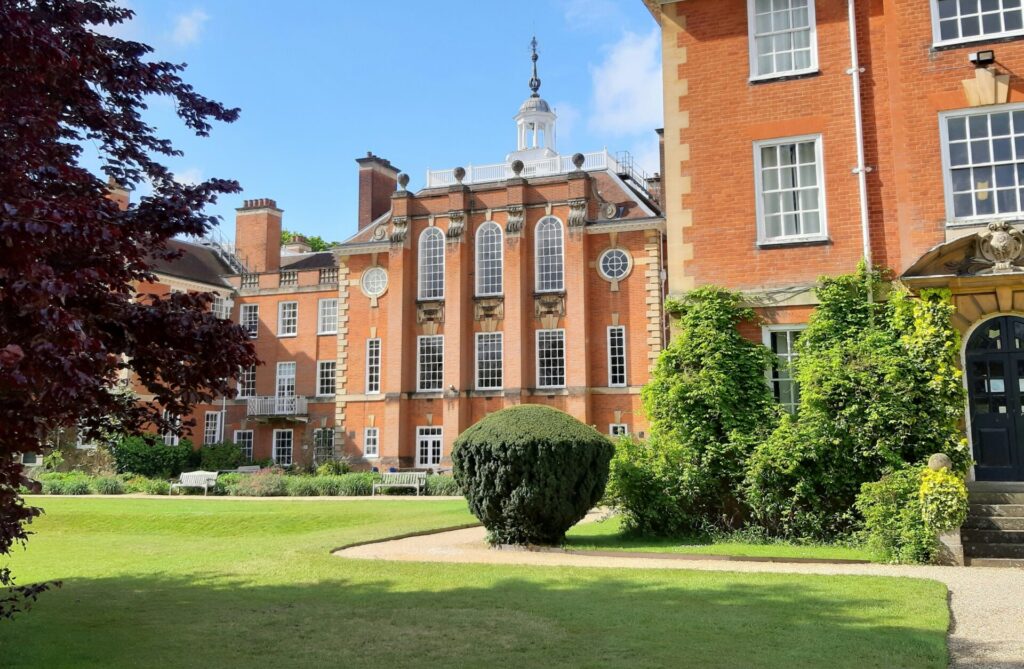
University of Leeds: Sir William Henry Bragg building
Installing an IP CCTV system whilst the Sir William Henry Bragg building was undergoing a major £96m development.
Find out more
Education - UK university
Account manager - Eamonn O'Doherty
System installed - Fire safety system - we visited and reconfigured 230 existing panels across 31 separate domains to eliminate redundancies and incorrect mappings that caused false alarms.
Details - The new setup ensured that alarms and alerts were localised to the affected buildings, minimising unnecessary disruptions and improving response times during actual fire events.
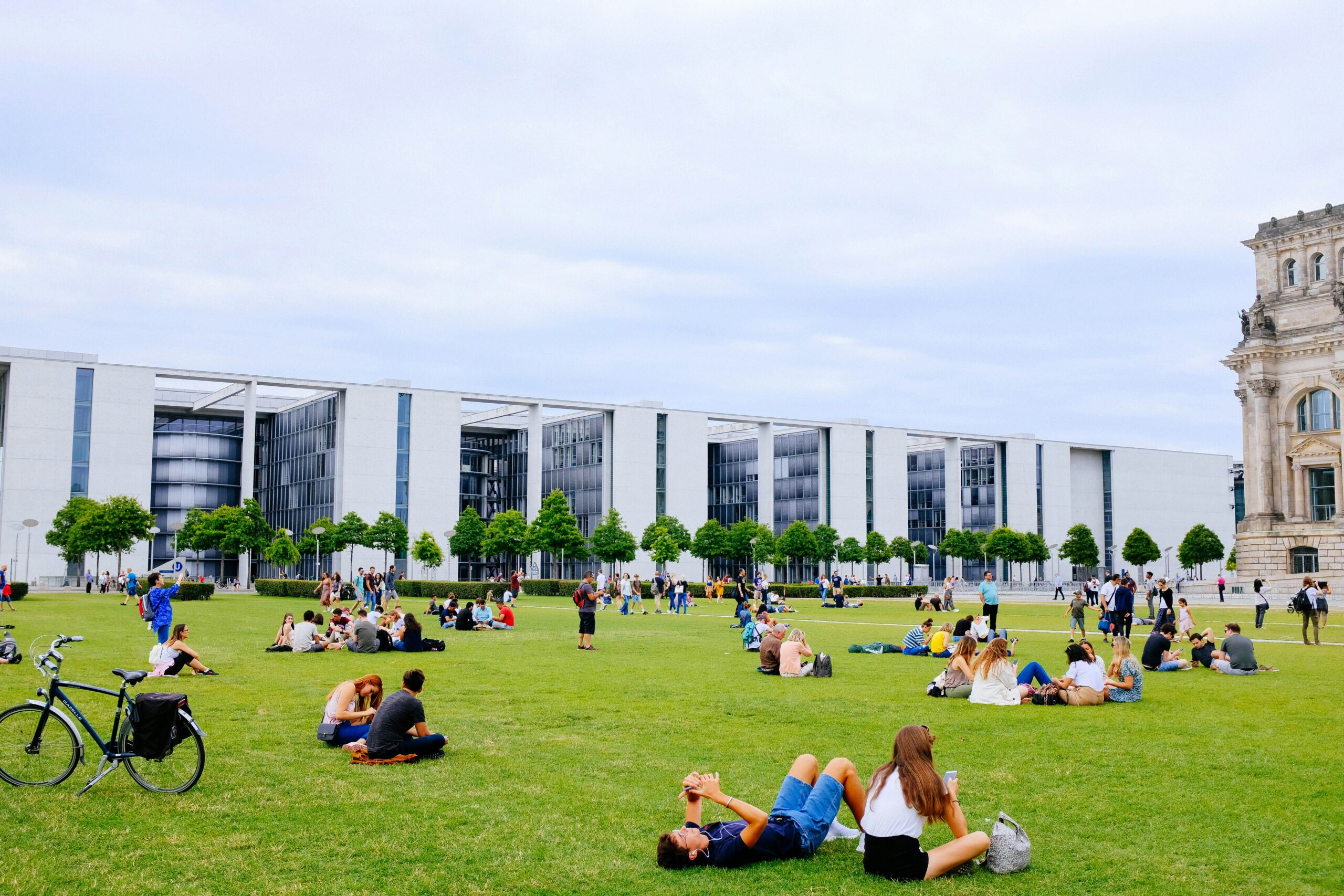
For this Russell Group university, with a sprawling campus that includes over 200 buildings, ranging from historic structures to modern high-rise residential blocks, maintaining an effective fire safety system is of paramount importance. The university network is one of, if not, the largest Gent Vigilon network within the UK and possibly Europe.
We were engaged to undertake a comprehensive review and enhancement of the university's fire safety infrastructure. The aim was to address the significant challenges and faults that were being frequently experienced as a result of the new fibre network that had been recently installed to bridge various separate domains across campus.

When initially taking on the service and maintenance contract for the university's fire safety systems, it quickly became apparent that the existing network was fraught with issues. The system, which had been installed by the previous incumbent, was poorly designed and frequently malfunctioned. The network consisted of numerous interconnected panels that often led to false alarms and confusion during actual fire events. Additionally, there was no comprehensive schematic or documentation of the system, making troubleshooting and maintenance highly inefficient.
The existing network was also a single, large entity that connected various buildings across the campus. This setup led to problems such as one building's fire alarm triggering alerts in unrelated buildings, thereby causing unnecessary panic and disruption. Furthermore, the university planned to expand and integrate more remote sites into the network, adding to the complexity and demanding a more robust and scalable solution.
As TIS hadn’t been involved with the design and installation of the network, we lacked information on how it had been set up, any configuration details or as-fitted drawings. This meant every time a fault was reported we had to look into the configuration files to determine what exactly was causing the fault and what we could do about it.
We approached the project with a detailed and methodical strategy to overhaul the existing fire safety system. Our first step was to conduct an exhaustive audit of the current network. This involved mapping out all of the existing panels and their interconnections, identifying points of failure, and understanding the flow of information across the network.
Given the scope of the issues, we proposed splitting the single, large network into four distinct subnetworks. This segmentation would isolate faults and prevent the widespread impact of individual panel failures. To achieve this, we installed additional terminal nodes, which are specialised panels that facilitate communication within the newly defined subnetworks and link them to a central monitoring interface.
We visited and reconfigured 230 existing panels across 31 separate domains to eliminate redundancies and incorrect mappings that caused false alarms. This reconfiguration required downloading and analysing the data from each panel, documenting the necessary changes, and implementing these adjustments with precision to ensure that each building's fire safety system operated independently yet cohesively within the overall campus framework.
The results of TIS's intervention were transformative for the university. By creating four separate networks, we drastically reduced the number of false alarms and malfunctions, thereby enhancing the reliability and efficiency of the fire safety system. The new setup ensured that alarms and alerts were localised to the affected buildings, minimising unnecessary disruptions and improving response times during actual fire events.
Additionally, the introduction of detailed schematics and documentation provided the university's maintenance teams with a clear understanding of the system's layout. This transparency facilitated quicker troubleshooting and maintenance, leading to a significant reduction in system downtime and service costs.
Furthermore, the redesigned network allowed for the seamless integration of new and remote buildings into the university’s fire safety system. As the university continues to
grow, the scalability and robustness of the new system will support ongoing expansion without compromising safety standards.
Feedback from the university has been overwhelmingly positive. The reduction in faults and the improved functionality of the fire safety system have not only enhanced safety but also provided cost savings by reducing the need for frequent emergency callouts and repairs.
This project, whilst extremely challenging, demonstrates our expertise in delivering customised, effective fire safety solutions that meet the complex needs of large institutions. Our comprehensive approach to overhauling the university's fire safety system has delivered a robust, reliable, and scalable solution.